
SOLUTIONS
Tool Sampling &
Process Development
Velosity’s comprehensive range of tool sampling options helps you achieve your tooling and manufacturing process development objectives. We offer customized solutions for tooling trials, sampling, and inspection/validation that align with your specific project requirements for industries ranging from medical devices to aerospace and defense to industrial manufacturing.
With press sizes ranging from 20 to 715 tons and the support of our state-of-the-art metrology lab, Velosity is your vertically integrated partner for all product realization needs.
Our combined expertise in injection molding and precision machining, coupled with your unique requirements, ensures a successful product launch. This partnership fosters a mutually beneficial relationship, ensuring a seamless and satisfying experience.
By designing a comprehensive sampling and validation process, Velosity provides the data and insights you need to make informed decisions about your tooling and manufacturing process. Together, we’ll achieve outstanding results.
WHAT WE OFFER
- Turnkey tooling programs
- Design for manufacturability (DFM) assistance
- Consultation for moldability or manufacturability
- Injection molding of thermoplastic, elastomeric and liquid silicone rubber (LSR)
- A variety of mold sampling options to suit your needs


TOOL SAMPLING & PROCESS DEVELOPMENT
Tooling
Velosity is compliant with all necessary regulations to meet cleanroom requirements during tool sampling, process development, and production. We have several in-house molding, assembly, and contract manufacturing clean rooms (ISO Class 7 & 8). As a clean room assembler, we ensure meticulous attention to cleanliness and precision in every step of our manufacturing processes.
TOOL SAMPLING & PROCESS DEVELOPMENT
Thermoplastics
& Elastomers
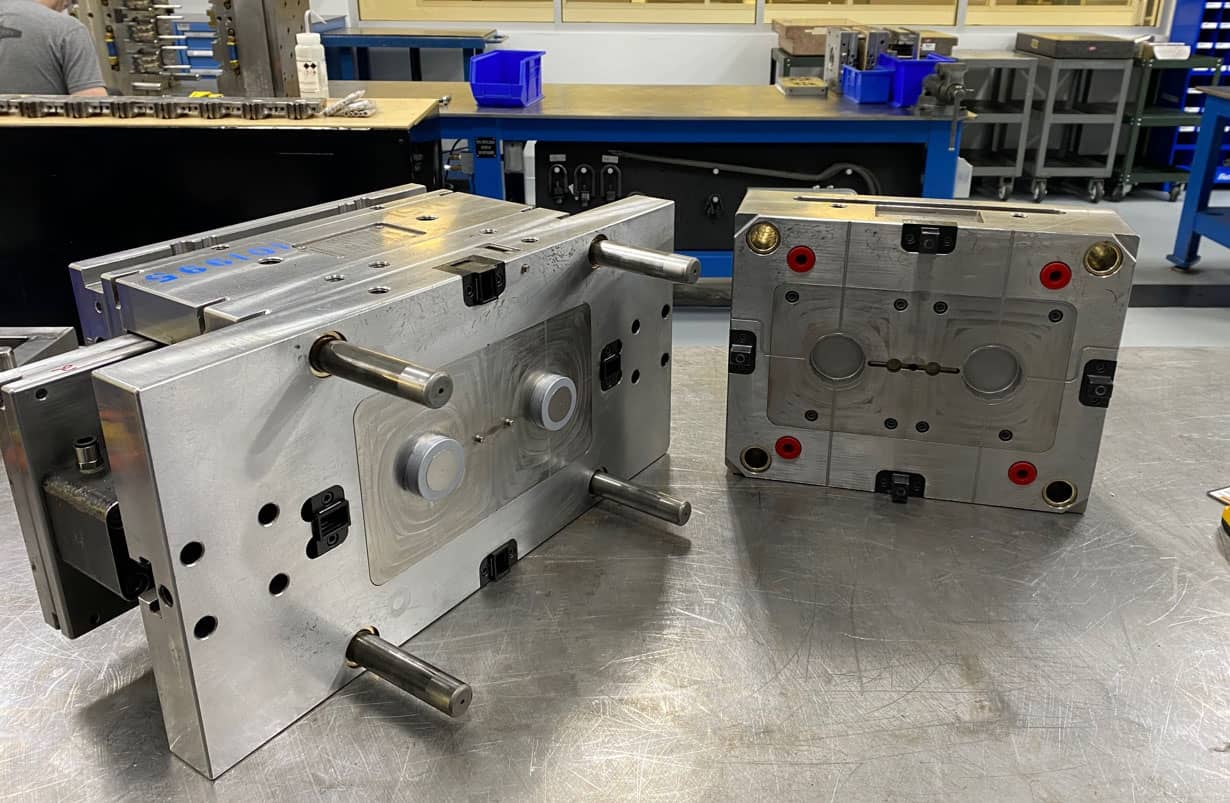
Tooling is a critical component of the manufacturing process, enabling the production of precise, high-quality parts. Velosity designs and builds tooling tailored specifically for thermoplastics and elastomeric materials, supporting a diverse range of industries. This specialization enables us to deliver customized solutions tailored to the unique needs of our customers.
Thermoplastic elastomers (TPEs) combine the mechanical elasticity of elastomers with the ease of processing thermoplastics, making them an ideal material for a wide range of applications. Velosity understands the many advantages of TPEs, including their cost-effectiveness, high design flexibility, and manufacturability.
TPEs are easily processed using conventional injection molding, blow molding, and extrusion techniques while maintaining exceptional quality. With Velosity’s expertise, you can achieve superior results for your most demanding projects.
TOOL SAMPLING & PROCESS DEVELOPMENT
Liquid Silicone Rubber
(LSR) Molding
Velosity is a leader in delivering liquid silicone rubber (LSR) injection molding solutions to meet the diverse needs of markets such as medical, industrial, aerospace, and defense. LSR injection molding is a specialized process that injects liquid silicone rubber into a mold cavity to produce high-quality, precise molded components.
Velosity’s LSR injection molding capabilities include:
- Controlled flash
- Over-mold component production
- Multi-shot silicone components
The result is reduced cycle time, ultra-precise reliability, uniform pressure, and stable processes with enhanced part weight consistency. Altogether, Velosity’s advanced in-house LSR capabilities deliver high-quality components with outstanding consistency in weight and size.
Velosity can support even the most demanding projects, ensuring exceptional final products for every application.
TOOL SAMPLING & PROCESS DEVELOPMENT
Micro Molding
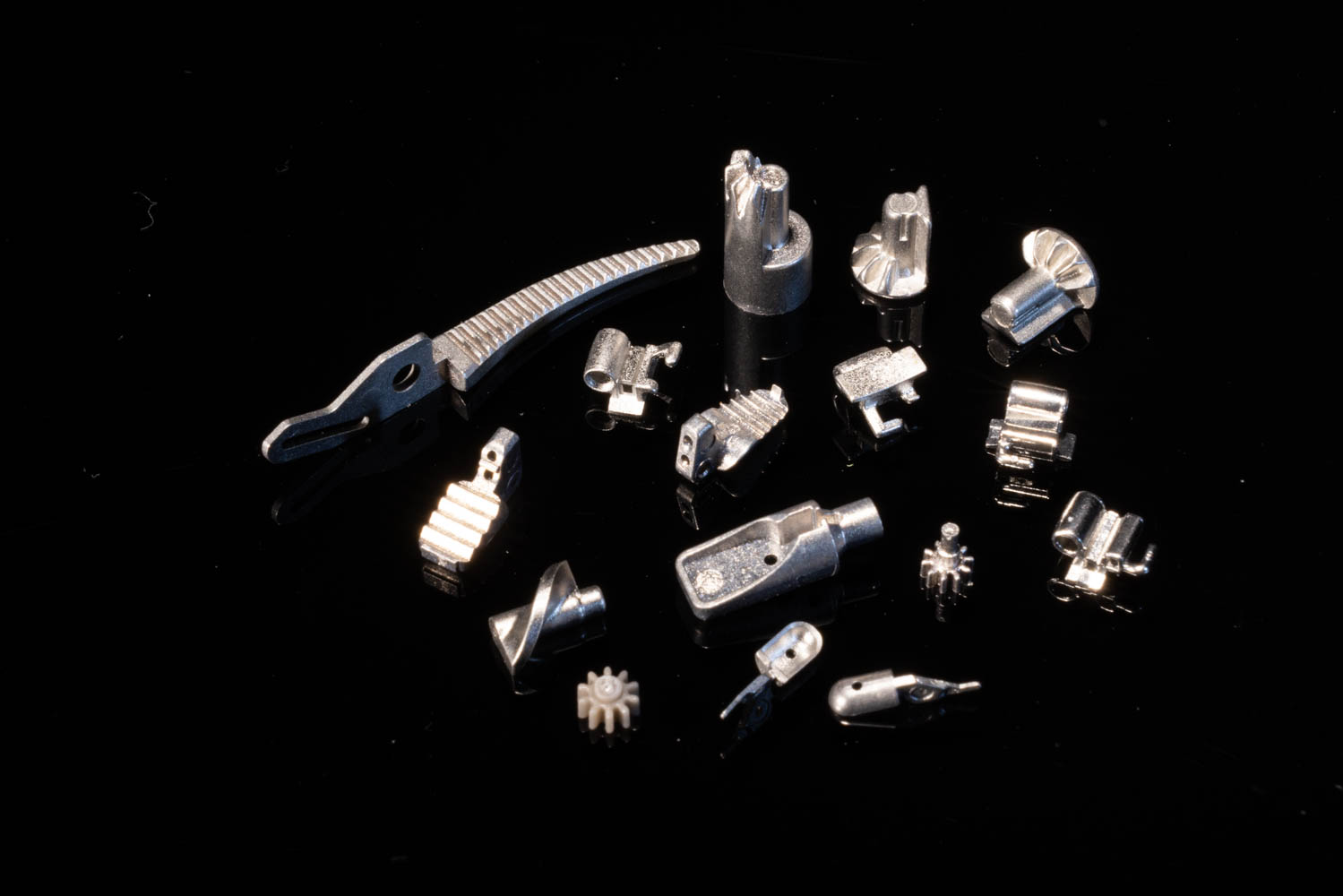
As demand for miniaturization grows, Velosity’s expertise in precision micro-molded components and assemblies shines. Micro-molding involves producing extremely small and intricate components with tight tolerances, so it’s essential to partner with a team experienced in this highly specialized field.
Velosity combines advanced technology, state-of-the-art facilities, and years of expertise to provide solutions tailored to your most demanding needs. Our focus is on delivering molds and tooling that consistently produce components and assemblies of the highest standard, ensuring that your product-specific requirements are met with precision.
Frequently Asked Questions
What Is Tool Sampling, and Why Is It Important?
Tool sampling is the process of testing a mold or tool to evaluate its performance and the quality of the parts it produces. Sampling helps identify potential tooling or part design issues, verify dimensions, and determine whether adjustments are needed before production. It provides valuable information to help prepare tooling for the next stages of qualification and manufacturing.
What Is Process Development in Injection Molding?
Process development establishes and evaluates the manufacturing parameters needed to produce consistent, high-quality molded parts. Velosity uses a structured engineering approach to evaluate variables such as material behavior, fill time, pressure, temperature, and cooling conditions. This work helps establish a robust process that meets product specifications and supports repeatable production.
What Information Is Needed to Start a Tool Sampling or Process Development Project?
Helpful information includes part drawings, CAD files, material specifications, tooling details, dimensional requirements, expected production volumes, and applicable quality or validation requirements. Sharing this information early helps Velosity evaluate the project, identify potential challenges, and recommend an appropriate sampling and process development plan.
What Types of Materials Can Velosity Support for Tool Sampling and Process Development?
Velosity supports tool sampling and process development for thermoplastics, elastomers, and liquid silicone rubber (LSR). Our capabilities also include specialized molding applications such as micro-molding and multi-shot or overmolded components. Material and process selection depend on the product design, performance requirements, and intended application.