
RESOURCES
Unlock Practical Guidance for Smarter and Scalable Solutions
Complex projects require a partner with creative, cutting-edge solutions. Velosity offers design for manufacturing (DFM) solutions that simplify and optimize production from start to finish.
Ready to learn more? Check out our entire library of tech sheets, insights, and practical guidance on DFM below!
What is Design for Manufacturing?
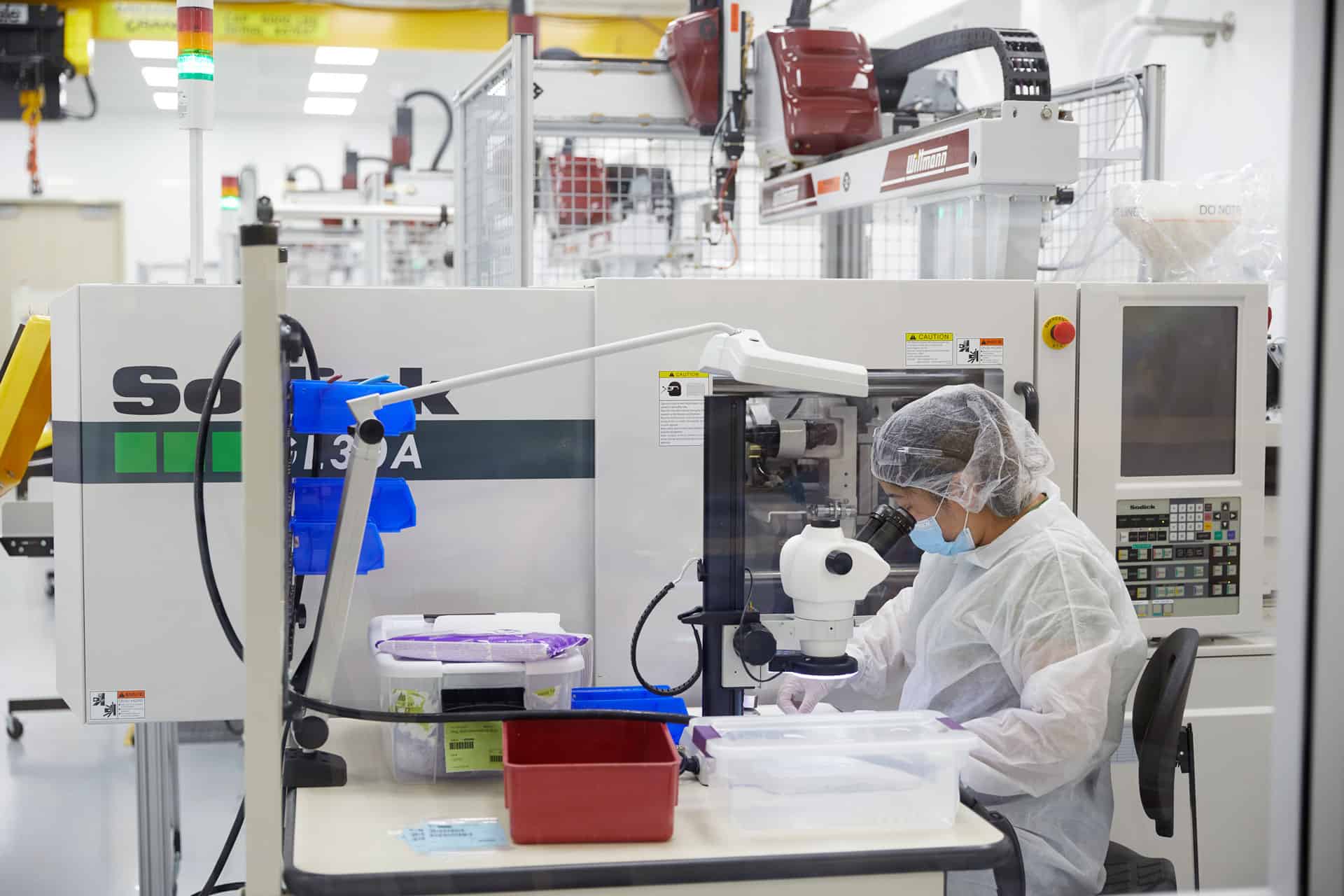
Design for Manufacturing (DFM) is a proactive engineering approach that aligns product design with optimal manufacturing practices from the start. By addressing moldability, material behavior, tolerances, and assembly early in development, DFM reduces complexity, prevents costly changes, and shortens lead times—without sacrificing performance or regulatory compliance. The result is a high-quality product delivered faster and at lower cost. This process is especially critical in highly regulated industries such as medical device and defense manufacturing, where precision, reliability, and compliance are non-negotiable.
DEVELOPING WITH DFM MEANS:
- Cost efficiency
- Minimized complexity
- Higher quality and reliability
- Ease of assembly and tooling
- Shorter time to market
Velosity’s DFM Expertise
With over 575 employees across four facilities, Velosity is the industry leader in state-of-the-art custom contract manufacturing, injection molding, precision machining, and tool building for complex and highly regulated applications. Backed by more than 60 years of experience, Velosity offers a comprehensive range of manufacturing capabilities, bolstered by the latest technologies and a dedicated team of expert engineers and technicians.
DESIGN FOR MANUFACTURING
Material Selection
Choosing the Right Material for Performance and Manufacturability
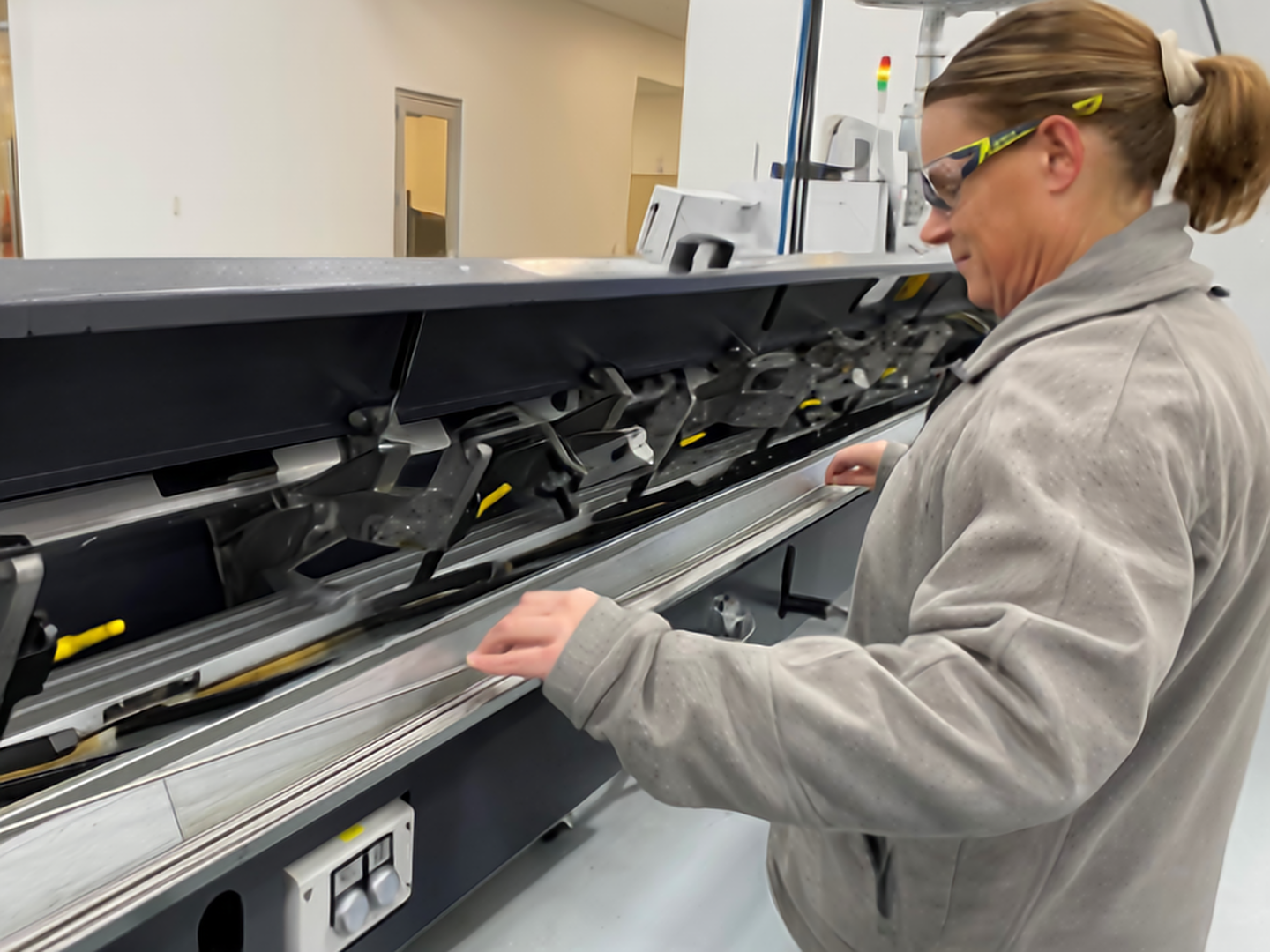
Material selection plays a critical role in the success of any product. The right material must meet functional requirements while also supporting manufacturing processes, regulatory needs, performance expectations, and long-term reliability.
By considering material selection early in the design process, engineers can make informed decisions that improve product performance, simplify manufacturing, and reduce the risk of costly design changes later.
Velosity works with customers to evaluate material considerations alongside design requirements and manufacturing processes, helping ensure material choices support production success.
Material Selection Considerations Include:
- Functional requirements and performance needs
- Mechanical properties and durability
- Chemical and environmental resistance
- Sterilization requirements
- Regulatory considerations
- Material availability and supply chain considerations
- Compatibility with manufacturing processes
Selecting the right material early helps create products that perform as intended while supporting efficient and repeatable manufacturing.
DESIGN FOR MANUFACTURING
Part Design Considerations
Designing Products for Quality, Performance, and Manufacturing Success
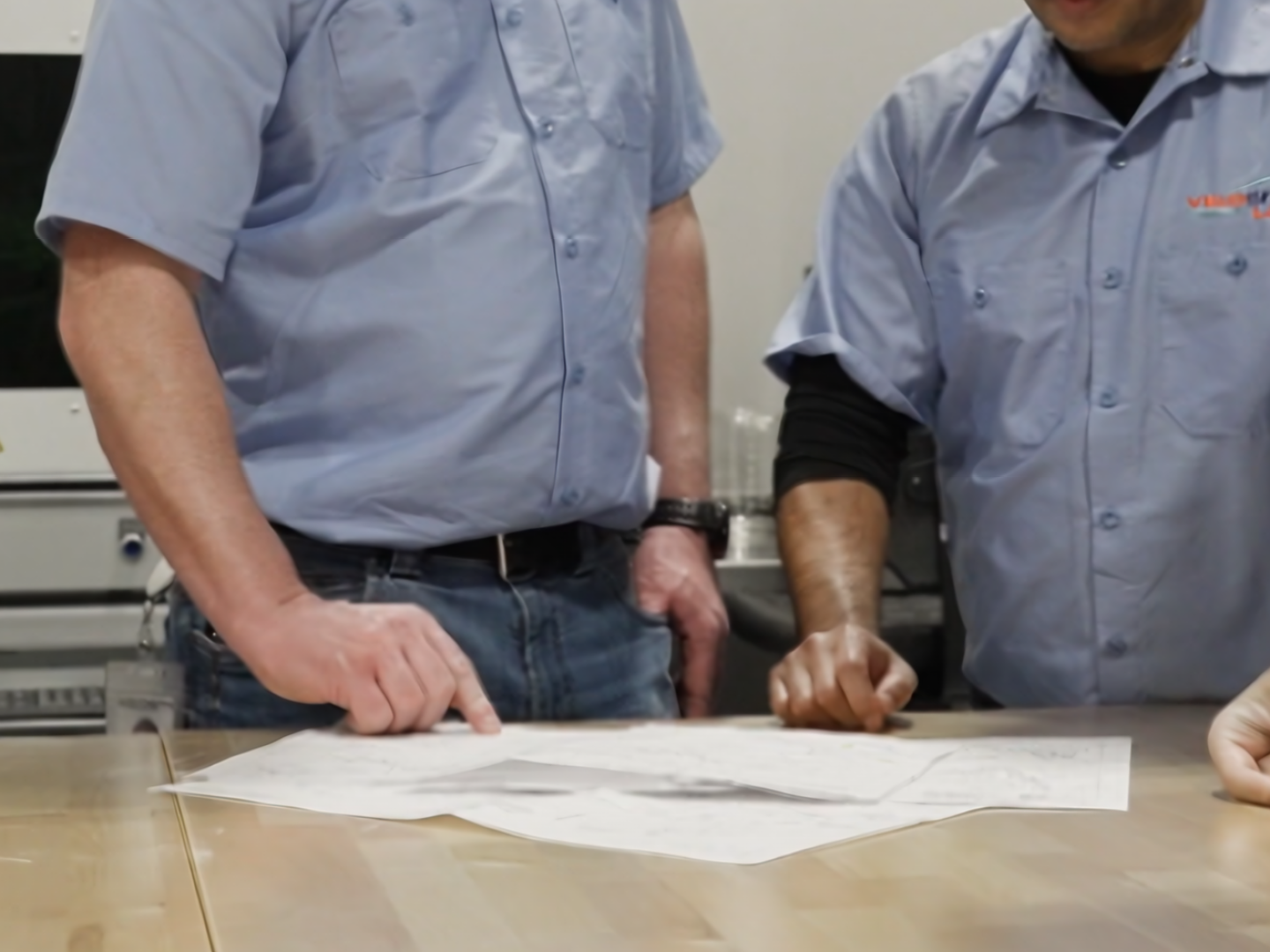
A well-designed part balances product requirements with manufacturing realities. Design decisions involving geometry, tolerances, wall thickness, features, and assembly requirements can significantly impact product quality, cost, and production efficiency. Applying Design for Manufacturability (DFM) principles early helps identify opportunities to simplify designs, improve consistency, and reduce potential manufacturing challenges before production begins.
Velosity’s engineering teams collaborate with customers to evaluate designs and identify improvements that support reliable, scalable manufacturing.
Part Design Considerations Include:
- Wall thickness and material flow
- Draft angles and part release
- Feature placement and complexity
- Tolerances and dimensional requirements
- Parting lines and tooling considerations
- Assembly requirements
- Manufacturability improvements
The best designs consider how a product will be made, assembled, tested, and produced consistently at scale.
DESIGN FOR MANUFACTURING
Tooling Considerations
Designing Tooling With Production Success in Mind
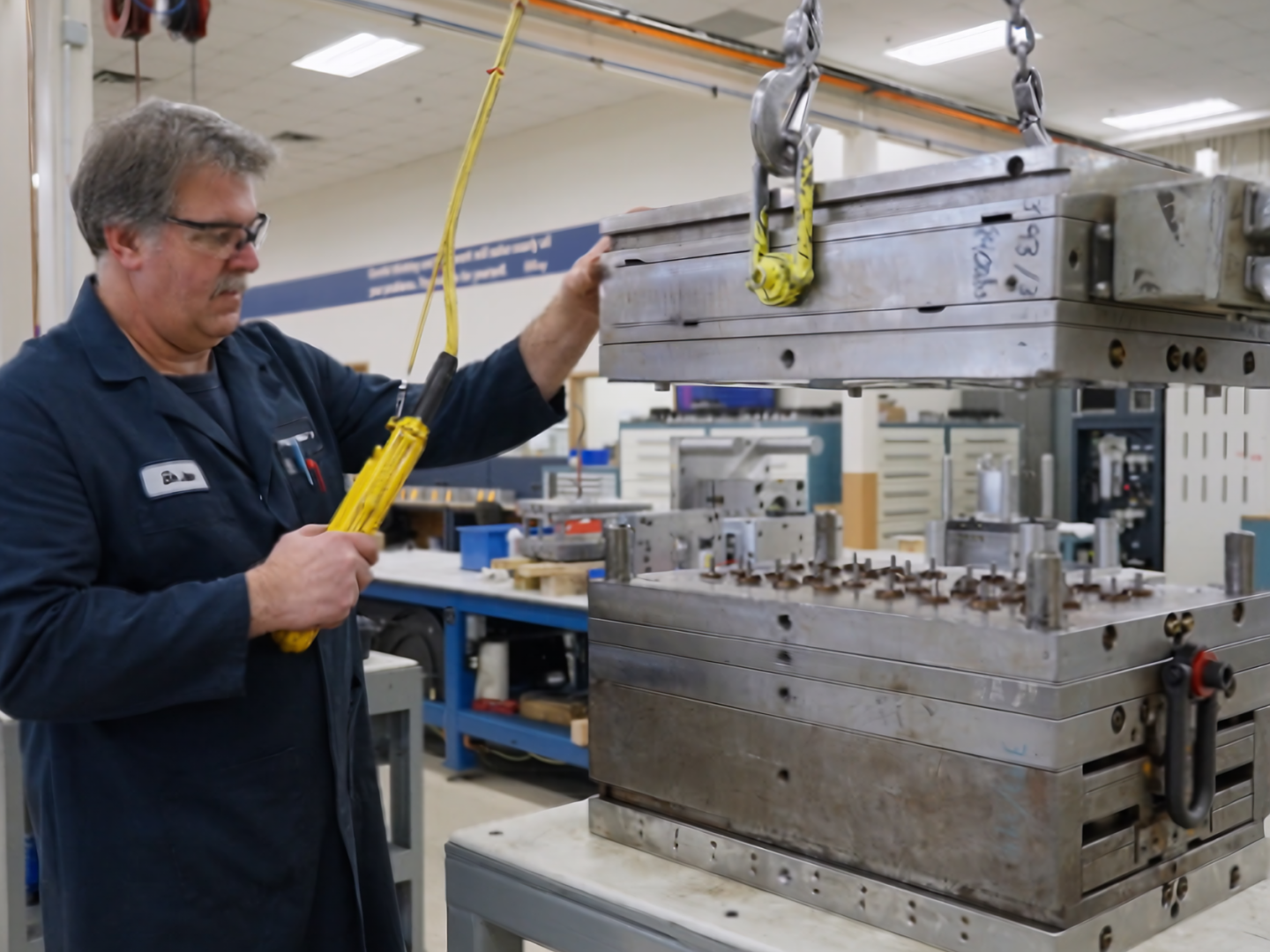
Tooling is a critical component of successful manufacturing. Decisions made during product design can directly impact tooling complexity, cost, lead time, and long-term production performance.
By considering tooling requirements early in development, teams can identify opportunities to simplify designs, improve moldability, reduce risk, and create more efficient production processes.
Velosity’s tooling and manufacturing expertise helps customers understand how design decisions influence tooling performance and production outcomes.
Tooling Considerations Include:
- Mold design requirements
- Part complexity and manufacturability
- Tool materials and expected life
- Cavitation strategy
- Prototype versus production tooling
- Maintenance considerations
- Production volume requirements
- Future scalability
Early collaboration between engineering and tooling teams helps create designs that are easier to manufacture, validate, and scale.
DESIGN FOR MANUFACTURING
Prototype Development
Turning Design Concepts Into Production-Ready Solutions
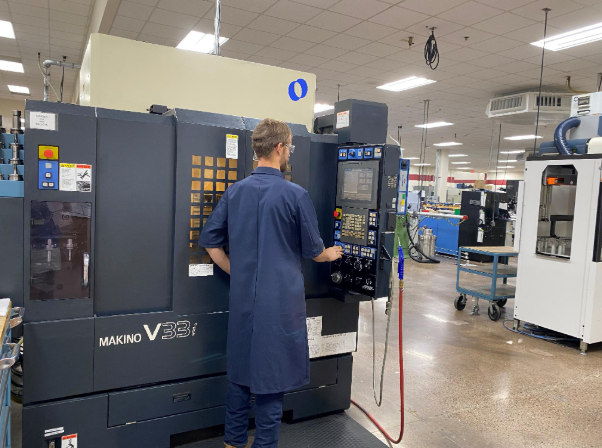
A successful product begins with understanding how a design performs in the real world. Prototype development allows engineering teams to evaluate designs, test functionality, identify opportunities for improvement, and make informed decisions before moving into full-scale production.
By incorporating Design for Manufacturability (DFM) principles early in prototype development, teams can identify potential challenges related to materials, tolerances, tooling, assembly, and manufacturing processes before they become costly issues.
Velosity’s engineering and manufacturing teams collaborate throughout the prototype process to create production-intent solutions that help accelerate development, reduce risk, and prepare products for a successful transition into manufacturing.
Prototype Development Includes:
- CNC prototype machining
- Production-quality prototypes
- Functional prototypes
- Design iterations
- Engineering builds
- Manufacturing feedback
The best prototypes do more than prove a design, they help optimize the path to production.
DESIGN FOR MANUFACTURING
Launch Optimization
Preparing Products for a Successful Manufacturing Launch
Moving from development into production requires more than a finished design. A successful launch depends on a product that is optimized for manufacturing, supported by robust processes, and ready for consistent production.
Launch optimization applies DFM principles throughout the final stages of development to identify opportunities for improvement, reduce manufacturing risk, and create a smoother transition into production.
Velosity works with customers to refine designs, validate processes, and align engineering decisions with manufacturing requirements. This collaborative approach helps accelerate commercialization while improving quality, efficiency, and long-term production success.
Launch Optimization Includes:
- Manufacturing readiness reviews
- Process development support
- Production transfer planning
- Engineering builds
- Pilot runs
- Process optimization
- Production launch support
Optimizing a product before launch helps prevent costly changes later and creates a stronger foundation for long-term manufacturing success.
RESOURCES
Welcome to the Velosity DFM Hub
Whether you’re a seasoned engineer, a product designer, or simply curious about the process behind creating great products, this space is dedicated to education on the principles of design for manufacturability, with a focus on injection molding.
Slide Deck
Download the Document
Whitepapers
Download the Document
Whitepaper
Download the Document
Whitepaper
Tech Sheets
Download the Document
Download the Document
Download the Document
Download the Document
Download the Document
Download the Document
Download the Document
Download the Document
Metal to Plastic Conversion
Download the Document
Frequently Asked Questions
What Is Design for Manufacturability (DFM)?
Design for Manufacturability is an engineering approach that evaluates a product’s design against manufacturing requirements early in development. DFM considers factors such as materials, part geometry, tolerances, tooling and assembly to identify potential challenges before they affect production. The goal is to develop a design that meets performance requirements while supporting efficient, consistent manufacturing.
How Does DFM Help Reduce Manufacturing Costs?
DFM helps identify design features, material choices and manufacturing processes that may increase tooling costs, production time or scrap. Addressing these considerations early can reduce unnecessary complexity, minimize design revisions and improve production efficiency. The potential savings depend on the part design, manufacturing process and project requirements.
What Design Considerations Are Important for Injection Molding?
Important design considerations include wall thickness, draft angles, material selection, rib and boss design, gate location, parting lines and tooling requirements. These factors influence how material fills the mold, how the part cools and how consistently it can be produced. Evaluating them early helps reduce potential defects and supports repeatable production.
Can DFM Help With Precision-machined Components?
Yes. DFM for precision machining evaluates part geometry, material selection, tolerances, critical features, machining operations and inspection requirements. Reviewing these factors early helps identify features that may increase machining complexity or make consistent inspection difficult. Velosity’s engineering and machining teams can help align design requirements with practical manufacturing and quality considerations.
Does DFM Support Prototyping and the Transition to Production?
Yes. DFM can help identify manufacturing challenges during development and guide design refinements before production tooling and processes are finalized. Combining DFM with prototyping allows teams to evaluate design intent, fit and function, and manufacturing feasibility. This can help reduce late-stage changes and support a more predictable transition to production.